
Best Timing for Tree Removals
Determining the best time to perform tree removals depends on various factors including tree type, weather conditions, and specific site requirements. Proper timing ensures safety, minimizes impact on surrounding vegetation, and promotes efficient removal processes.
Spring offers favorable conditions for tree removal with moderate weather and active growth cycles that can aid in quicker cleanup and disposal.
Summer can be suitable for tree removal, especially during early months when weather is warm and dry, reducing delays caused by rain.
Fall is often considered ideal for tree removals due to cooler temperatures and trees entering dormancy, which minimizes stress on remaining vegetation.
Winter provides the least foliage and activity in trees, making it easier to assess branches and structure, and reducing the risk of disease spread.
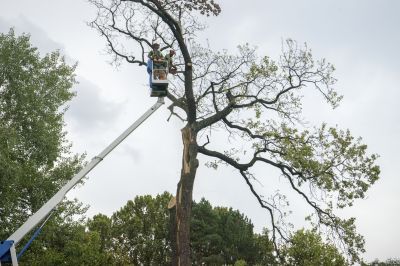
Springtime tree removal can be efficient due to moderate weather and active growth cycles.
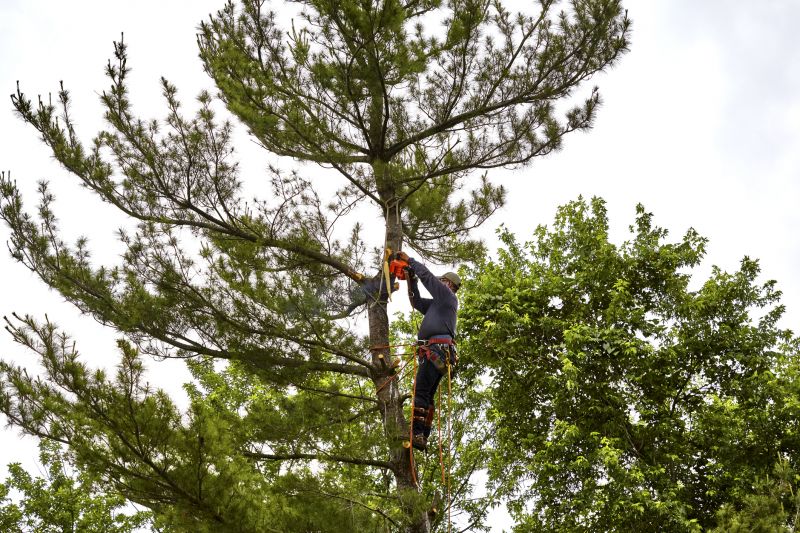
Early summer offers warm, dry conditions suitable for safe tree removal.
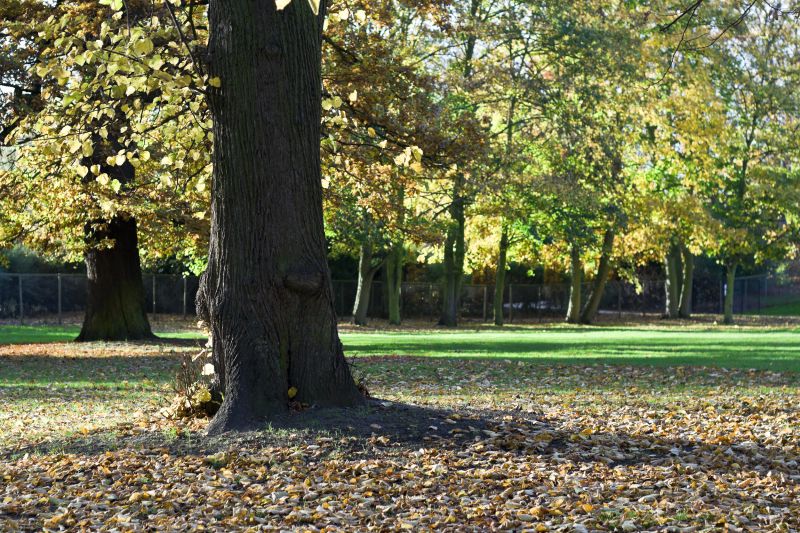
Fall's cooler weather and dormancy period make it an optimal time for tree removal.
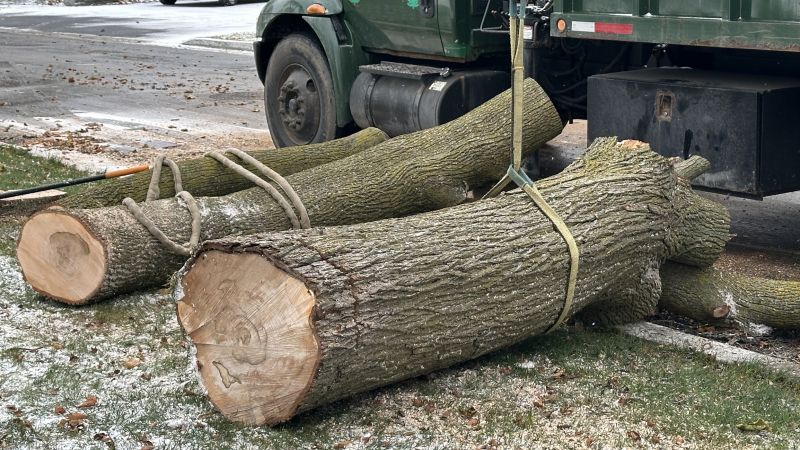
Ways to make Tree Removals work in tight or awkward layouts.
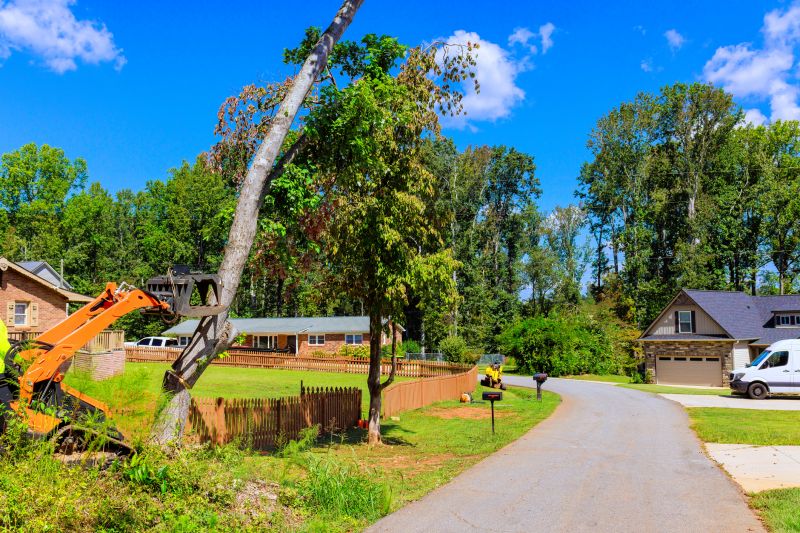
Popular materials for Tree Removals and why they hold up over time.
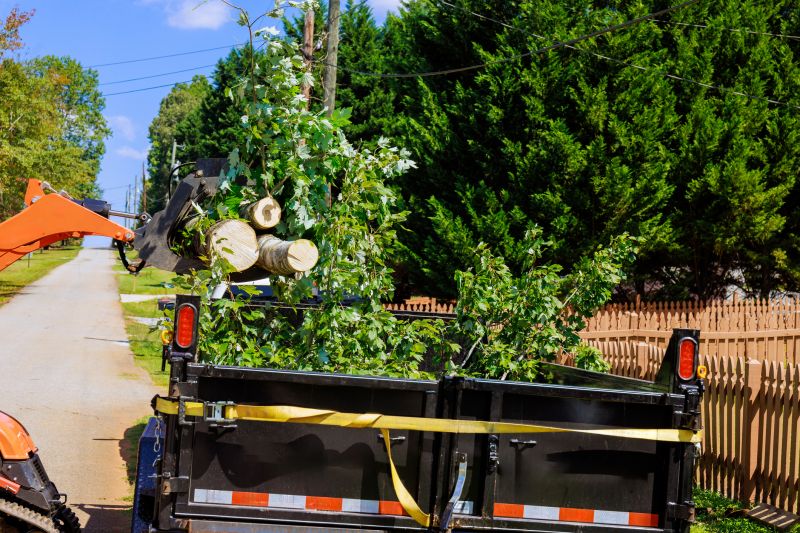
Simple add-ons that improve Tree Removals without blowing the budget.
| Season | Advantages |
|---|---|
| Spring | Moderate weather, active growth, easier cleanup |
| Summer | Warm, dry conditions, longer daylight hours |
| Fall | Trees in dormancy, cooler temperatures, less stress |
| Winter | Minimal foliage, easier structural assessment, less disease risk |
Tree removals are critical for maintaining safety, preventing property damage, and managing landscape health. Timing plays a crucial role in ensuring that the process is safe, efficient, and minimally disruptive. Properly scheduled removals can also reduce the risk of disease transmission and damage caused by storms or decay.
Statistically, the majority of tree removals are performed during fall and winter months, aligning with periods of dormancy and reduced foliage. This timing allows for better visibility of the tree structure and minimizes impact on surrounding plant life. Additionally, scheduling during these periods can lead to cost savings and more straightforward cleanup.
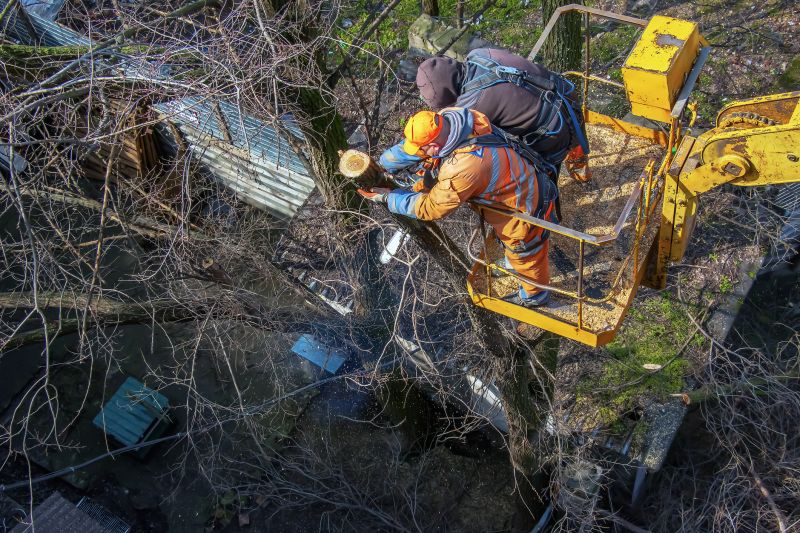
Specialized equipment facilitates safe and efficient removal regardless of season.
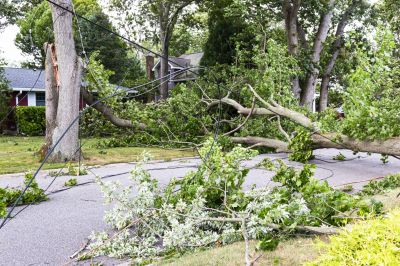
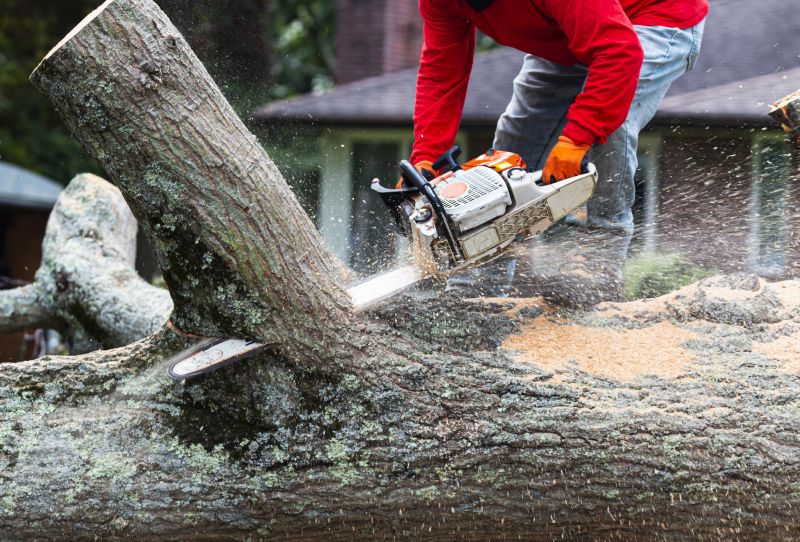
Immediate removal after storms prevents further damage and safety hazards.
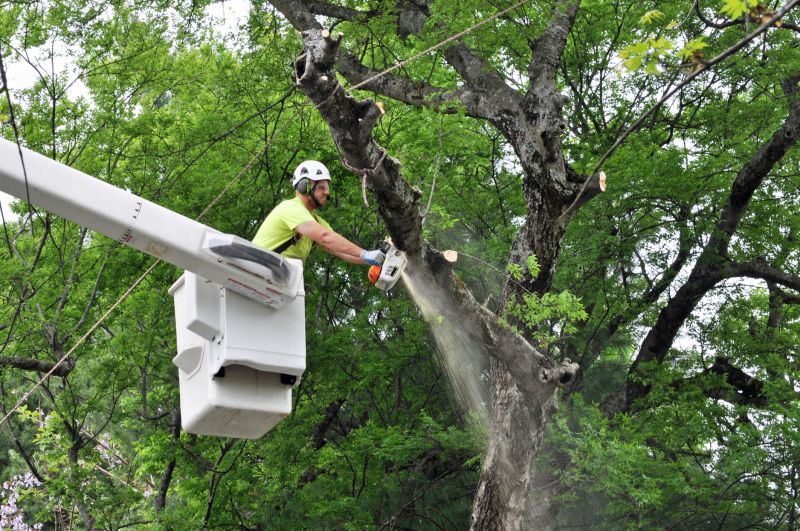
Proper assessment ensures removal is performed at the optimal time.
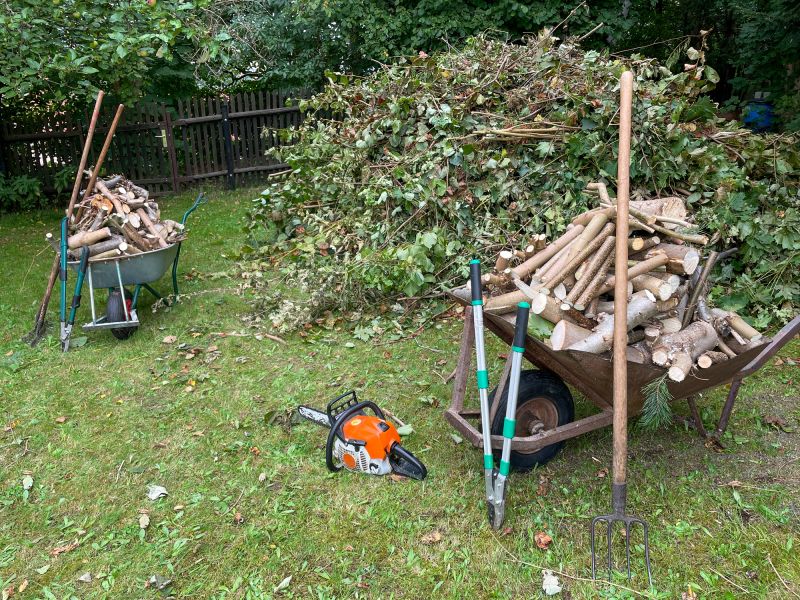
Effective cleanup maintains landscape appearance and safety.
High-end options that actually feel worth it for Tree Removals.
Finishes and colors that play nicely with Tree Removals.
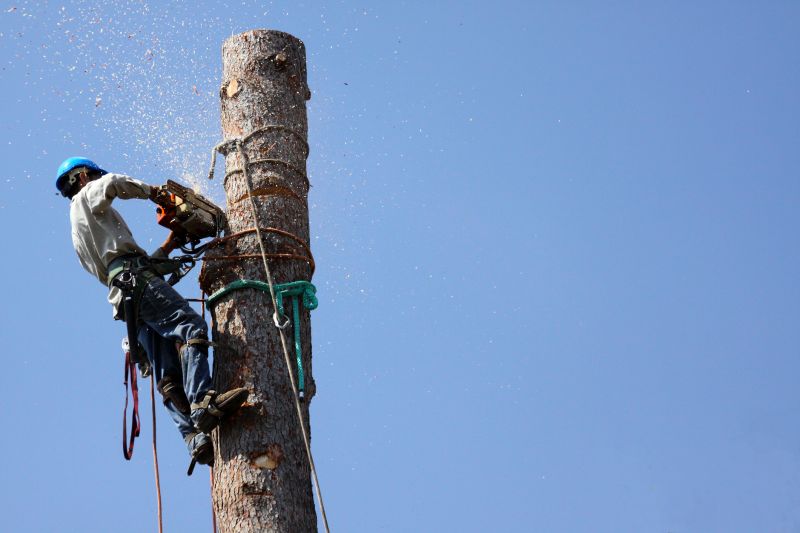
Little measurements that prevent headaches on Tree Removals day.
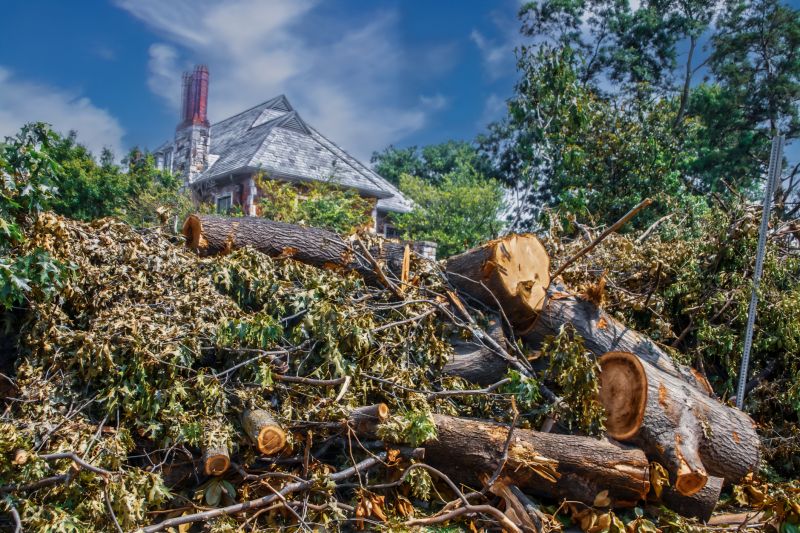
A 60-second routine that keeps Tree Removals looking new.
Interested in scheduling a tree removal? Filling out the contact form provides a convenient way to request an assessment and plan the optimal timing for removal based on specific site conditions and tree health.