
Leading Tree Removal Equipment for Professional and DIY Use
Discover high-performance tools and gear that help you handle tree removal projects with confidence and precision.
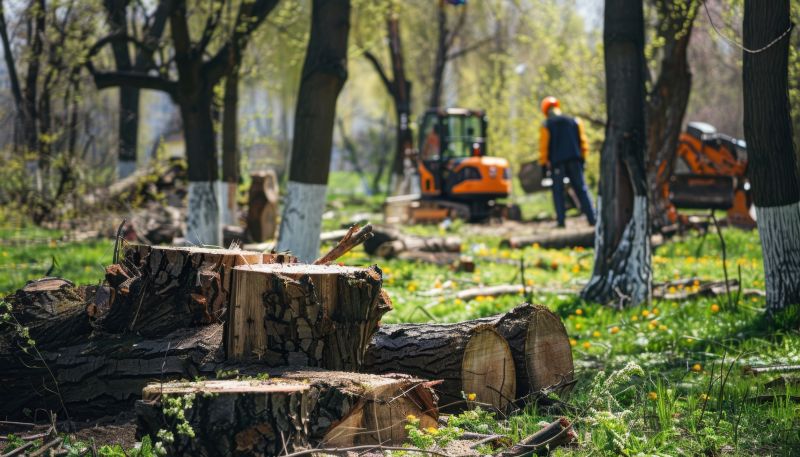 Tree removal is a task that requires careful planning and the right equipment to ensure safety and efficiency. Whether dealing with hazardous or unwanted trees, having the appropriate tools can make the process smoother. From manual hand tools to powered equipment, there are various options suited for different sizes and types of trees. Proper selection can help minimize risks and prevent damage to surrounding property. It's also important to consider local regulations and safety guidelines when planning a tree removal project.
Top Overall Option
Powerful Gas-Powered Chainsaw
A versatile gas-powered chainsaw offers the power and mobility needed for various tree removal tasks. It is suitable for cutting through thick trunks and large branches, providing a balance of performance and portability. Proper handling and safety precautions are essential when using this type of equipment to ensure effective and secure operation.
Types of Products For Tree Removals
Manual Hand Saw
Ideal for small branches and precise cuts, hand saws are lightweight and easy to maneuver for detailed trimming.
Pruning Shears
Suitable for trimming smaller branches, pruning shears provide control and precision for shaping and removing deadwood.
Loppers
Loppers extend the reach for cutting thicker branches that are out of arm’s length, offering more leverage and power.
Cordless Electric Chainsaw
A portable and quieter alternative to gas-powered chainsaws, ideal for smaller trees and limb removal.
Gas-Powered Chainsaw
A robust option for heavy-duty cutting tasks, suitable for large trunks and extensive tree removal projects.
Pole Saw
Designed for reaching high branches without a ladder, pole saws extend your reach for safer trimming.
Stump Grinder
Used to grind down remaining tree stumps after removal, helping to prepare the area for replanting or landscaping.
Manual Axe or Hatchet
Suitable for chopping small trees or branches, providing a simple, manual approach to removal.
Rope and Pulley System
Helps to control and guide falling branches or trees, enhancing safety during removal.
Safety Gear Set
Includes helmets, gloves, goggles, and protective clothing to ensure safety during tree removal tasks.
Tree Climbing Gear
Harnesses and spikes designed for professional arborists to safely ascend and work on large trees.
Chipper/Shredder
Converts branches and small trunks into mulch, aiding in cleanup and landscape management.
Hydraulic Log Splitter
Facilitates splitting large logs into manageable pieces, useful after cutting the trunk into sections.
Tree Removal Rope
Heavy-duty ropes used to secure and control the fall of large branches or trees during removal.
Popular Choices
A trending choice for ease of use and portability, suitable for smaller to medium-sized trees.
A versatile tool for quick trimming and pruning, favored for its simplicity and control.
Popular for reaching and cutting thicker branches, offering leverage and precision.
Increasingly used for high limb trimming, providing extended reach without climbing.
Essential for protecting workers, safety gear remains a top priority in tree removal projects.
Commonly used after tree felling to remove stumps and prepare the site for future landscaping.
Popular for managing debris and creating mulch, simplifying cleanup after removal.
Frequently used to process felled logs into firewood or manageable pieces.
Helpful for controlling falling branches, enhancing safety during complex removals.
A traditional tool still favored for small-scale chopping tasks.
In Spring, TX, where residential and commercial landscapes often feature mature trees, choosing the right products for tree removal can be critical. Safety gear such as helmets, gloves, and eye protection should accompany the main tools to safeguard against falling branches or debris. For larger trees, powered equipment like chainsaws and stump grinders are often necessary. Smaller trees or trimming tasks may only require hand saws, pruning shears, or loppers. Understanding the scope of the removal and the size of the tree can help determine the most suitable equipment.
Proper maintenance and handling of these tools are essential to ensure safety and longevity. Regularly inspecting equipment for damage and following manufacturer instructions can prevent accidents. Additionally, consulting with local authorities or professional arborists can provide guidance on best practices and compliance with local regulations. With the right products and precautions, tree removal can be conducted efficiently and safely, even in densely populated or landscaped areas.
Key Buying Considerations
- Tree size and trunk diameter to determine appropriate equipment capacity.
- Type of tree and branch thickness to select suitable cutting tools.
- Safety features such as safety guards, anti-vibration handles, and emergency shutoffs.
- Power source preferences—corded, cordless, or gas-powered—based on mobility needs.
- Ease of use and ergonomic design for prolonged tasks and reduced fatigue.
- Maintenance requirements and availability of replacement parts.
- Weight and portability, especially for manual or handheld tools.
- Durability and build quality to withstand heavy use in outdoor conditions.
- Compatibility with other tools or accessories for comprehensive tree management.
- Environmental conditions in Spring, TX, including humidity and temperature, affecting equipment choice.
- Budget constraints balanced with quality and safety features.
- Local regulations or permits required for tree removal in residential or commercial areas.
- Availability of training or instructional resources for safe operation.
- Customer reviews and ratings to gauge reliability and performance.
- Warranty and after-sales support from manufacturers or suppliers.
This page contains affiliate links. We may earn a commission from qualifying purchases to support our content creation.